Column · @jeffreynncy956
Jamaican Food in Denver: Island-Inspired Meals Worth Trying
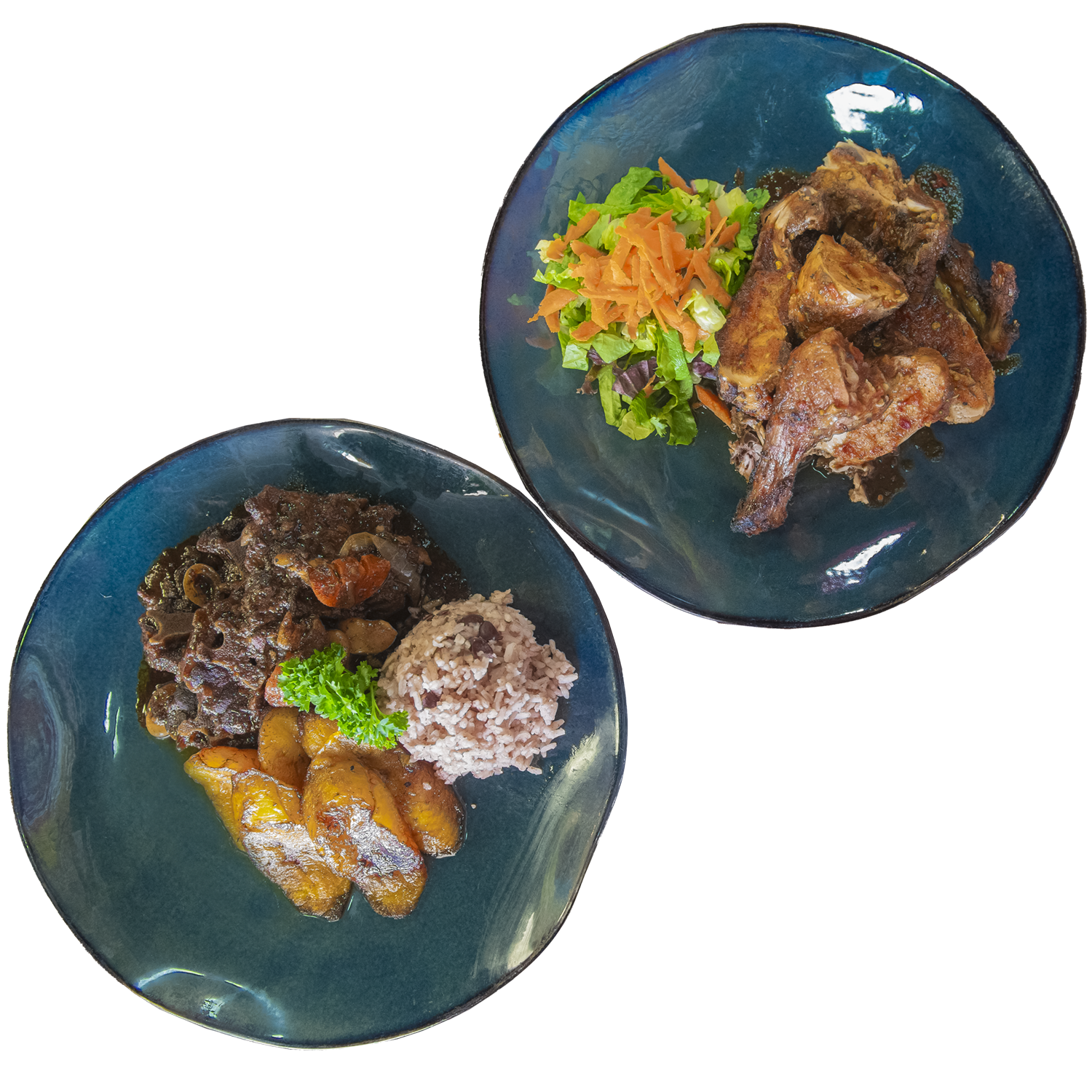
Denver has never been a one-note food city. People arrive for different reasons, stay for different reasons, and bring their kitchens with them. That is part of what makes eating here interesting. One night can mean green chile and a smothered https://marcosuhv619.currentvale.com/posts/jamaican-food-in-denver-rich-flavors-and-local-favorites burrito, another can mean pho, Ethiopian platters, or wood-fired pizza. Jamaican food fits naturally into that mix, but it still feels like a discovery for plenty of diners. When people search for jamaican food denver, they are often looking for more than a meal. They want bold seasoning, serious heat, slow-cooked depth, and the kind of plate that feels generous before the first bite.
Good Jamaican cooking does not rely on novelty. It relies on balance, patience, and technique. Spice matters, but so does smoke. Sweetness matters, but so does acidity. Texture matters, from the crackle on jerk chicken skin to the tenderness of braised oxtail. The cuisine carries African, Indigenous, European, and Asian influences, but what lands on the plate feels unmistakably its own. If you have only encountered Jamaican food through one dish, usually jerk chicken, Denver gives you a chance to go further.
What makes the local search worthwhile is that these meals suit the climate and rhythm of the city better than some people expect. On a cold Front Range evening, a tray of curry goat, rice and peas, and steamed cabbage hits with the kind of warmth that lingers. On a bright summer afternoon, jerk chicken with plantains and a tart drink can feel just as right. The appeal is broad, but the details matter. Not every place interprets spice the same way. Not every kitchen aims for the same balance of sweetness, smoke, and heat. That is part of the fun, and part of why it helps to know what to look for.
What defines Jamaican flavor on the plate
If you are new to the cuisine, it helps to start with the seasoning logic behind it. Jamaican food is layered rather than loud for the sake of being loud. A proper jerk marinade, for example, usually brings together allspice, thyme, Scotch bonnet pepper, ginger, garlic, scallions, and warm spices in a way that should taste aromatic before it tastes hot. Heat is important, but it should not flatten everything else. When jerk is done well, you get fragrance first, then smoke, then chile heat that builds.
That same principle shows up across the menu. Curry dishes often carry a rounded, savory warmth rather than the sharper profile some diners expect from South Asian curries. Brown stew chicken leans rich and slightly sweet from browning and slow simmering. Rice and peas, despite the name, typically means rice cooked with kidney beans, coconut milk, thyme, and spices. It is not filler. It is structural. It soaks up gravy, tempers heat, and ties the plate together.
Denver diners who know barbecue usually recognize the craft in Jamaican cooking right away. The best versions show control. Meat is marinated deeply, cooked with intent, and served with sides that are not afterthoughts. A plate can look straightforward and still be technically impressive. That is often the case with cabbage sautéed until tender but not limp, fried sweet plantains that hold their shape, or patties with a flaky crust that shatters without becoming dry.
Why Jamaican food works so well in Denver
There is a practical side to this. Denver is a city that appreciates big flavors, portable meals, and food that performs equally well as lunch, takeout, or a late dinner. Jamaican food checks all three boxes. It travels well, which matters in a metro area where people think nothing of driving across town for something specific. Rice-based plates keep their integrity on the ride home. Braises often taste even better after resting. Patties make excellent grab-and-go options.
The altitude and dry climate also shape what people crave, even if they do not think of it that way. Rich gravies, stewed meats, and spice-forward marinades can feel especially satisfying in a place where the weather changes fast and the air stays thin and dry. A hot meal with real body lands differently here. Jamaican cooking has body. It fills the room, fills the plate, and usually leaves enough memory that you start planning your next order while you are still finishing the first one.
There is also an emotional element. Denver’s dining scene can tilt polished and polished again. Jamaican food, at its best, cuts through that with directness. You do not need a lecture to understand why a flaky beef patty works or why a forkful of oxtail over rice feels luxurious. The food explains itself quickly.
The meals worth trying first
If you are exploring jamaican food denver for the first time, start with the classics, but pay attention to the details. The names alone will not tell you whether a kitchen is careful.
- Jerk chicken, ideally with a clear balance of smoke, thyme, allspice, and chile heat
- Oxtail, braised until supple, with gravy that coats the rice rather than flooding it
- Curry goat, which should taste earthy and deep, not one-dimensional
- Beef patty, with a crisp, flaky shell and well-seasoned filling
- Rice and peas with plantains, because the sides reveal a lot about the kitchen
Jerk chicken is still the gateway order for good reason. When cooked over flame or with a proper char, it delivers almost everything people want from the cuisine in one bite. You should notice complexity before blunt force heat. If all you taste is salt and pepper, something is missing. If the chicken is tender but the skin lacks color or texture, the kitchen may be playing it safe. Safety is not usually what you want from jerk.
Oxtail is a different kind of test. It is expensive to make, time-intensive, and unforgiving if rushed. Done right, the meat should be soft enough to pull from the bone without much effort, while the sauce stays rich and glossy instead of greasy. This is often the dish that turns a casual diner into a regular, because the payoff feels outsized. You get comfort food and craft in the same bowl.
Curry goat has a loyal following for similar reasons. The flavor is deeper and more savory than many first-time diners expect. Goat, when handled well, carries the spices beautifully. It should taste assertive, not gamy. If you like lamb shank or braised beef but want something a little more aromatic, this is the move.
Beef patties deserve more respect than they sometimes get. In weaker hands they become an afterthought, a hot snack that fills a case by the register. In stronger hands, they are a benchmark. The crust should be delicate and substantial at once, with enough turmeric or seasoning to give color and flavor. The filling should be juicy but not soggy. A great patty can be breakfast, lunch, or the smartest extra item you tack onto a larger order.
The sides are not side stories
One of the easiest mistakes people make with Jamaican food is treating the sides like background. That is not how the meal works. Rice and peas is often the anchor, especially with sauced meats. It should smell faintly of coconut and thyme, with grains that stay distinct rather than mush together. When it is done lazily, the whole plate feels flatter.
Plantains can tell you a lot about how a kitchen thinks about contrast. The best ones offer caramelized edges and a soft center, sweet enough to cool a spicy bite of jerk or curry. Steamed cabbage adds texture and freshness, cutting through richer meats without making the plate feel austere. Mac and cheese appears in some spots too, often as a nod to comfort and abundance, though the more traditional pairings usually have a cleaner balance.
Then there is festival, a slightly sweet fried dough that can be dangerously easy to overlook until you try it with spicy chicken or a spoonful of gravy. The sweet-savory interplay is exactly the point. Jamaican meals often work by placing heat, starch, sweetness, and acid near one another so you can build each bite rather than eat every component in isolation.
Spice, heat, and the Denver diner
People often ask the wrong question first. They ask, “How spicy is it?” A better question is, “How is it spicy?” Heat can come sharp and immediate, or it can creep. Scotch bonnet peppers bring fruitiness along with fire, and that fruitiness is part of the flavor, not a side effect. A kitchen that respects this will serve food that tastes alive rather than simply hot.
In Denver, where diners have become more adventurous over the years, many people can handle a fair amount of chile. What catches some newcomers off guard with Jamaican food is not just the heat level, but the way the spice integrates into the dish. It is often baked into the marinade, the gravy, or the braise, which means you cannot always remove it after the fact. If you are heat-sensitive, ask questions before ordering. If you like spice, do not assume every dish brings the same kind of intensity. Jerk may hit differently from curry. A hot sauce on the side may be fiercer than the main plate.
This is one place where honesty helps everyone. A good counterperson or server will usually steer you well if you ask whether a dish is mild, medium, or genuinely hot. Denver’s dining culture is casual enough that you can just say what you enjoy. Most kitchens would rather guide you to the right order than watch you push aside half your meal.
Takeout versus dine-in, what changes
Jamaican food holds up well in transit, but not every item behaves the same way. Braised dishes such as oxtail and curry goat can arrive at home tasting excellent, sometimes even better after the flavors settle together. Rice and peas, cabbage, and plantains usually travel without much trouble. Patties are also easy wins for takeout.
Jerk chicken is the one dish where timing matters more. If it has beautifully rendered skin and fresh char coming out of the kitchen, that texture may soften during a long drive, especially if steam gets trapped in the container. The flavor will still be there, but the contrast will dull. If you care about crispness or char, eating on site gives you a better shot at the full experience.
Denver’s geography makes this relevant. A quick ten-minute pickup is one thing. A cross-city drive in traffic is another. If you live far from the restaurant, consider ordering dishes that benefit from the trip rather than suffer from it. It is a small decision that changes the meal more than people realize.
How to order if you want the best first impression
A little strategy goes a long way, especially if you are trying Jamaican food with friends or family and want enough variety to understand the range of the cuisine.
- Pair one grilled item with one braised item
- Always include rice and peas, even if you are tempted to skip starch
- Add one sweet counterpoint, usually plantains or festival
- Try a patty as an extra, not a replacement for a full plate
- Ask about house-made sauces before you leave
This approach gives you contrast. Jerk shows off spice and smoke. Oxtail or curry shows off patience and depth. The sides complete the logic of the meal. If you order only chicken and fries, assuming the place offers fries, you may walk away thinking Jamaican food is simpler than it is. It is better than that.
For groups, family-style ordering makes sense. Most dishes share well, and the cuisine rewards comparison. One person notices the allspice in the jerk, another notices the coconut note in the rice, somebody else becomes unexpectedly attached to the cabbage. That is usually how repeat orders happen.
What experienced diners look for
People who eat Jamaican food regularly tend to judge a place by a few quiet markers. One is aroma. You should catch thyme, smoke, warm spice, and something savory the moment the food opens. Another is gravy consistency. Thin sauce that runs everywhere can suggest shortcuts. Heavy grease on top can suggest poor skimming or weak balance. Texture matters too. Overcooked plantains collapse. Dry jerk chicken disappoints. Rice that clumps too tightly signals inattention.
Portion size gets a lot of attention in Caribbean cooking, and fairly so. Generosity is part of the tradition. Still, experienced diners know that abundance alone is not enough. A huge container of average food is less satisfying than a thoughtfully composed plate where every element pulls its weight. The best meals feel full without feeling random.
They also look for signs that the kitchen is not sanding off the edges to please everyone. Jamaican food should retain personality. That may mean real heat, deeply browned gravy, assertive seasoning, or sides that taste clearly of thyme, scallion, and coconut. A version that tries to offend no one can end up tasting like not much at all.
The range goes beyond the usual staples
Once you know the standards, it is worth branching out. Depending on the menu, you may see escovitch fish, a dish where fried fish meets a sharp, vinegary topping with peppers and onions. You may find ackee and saltfish, Jamaica’s national dish, often served for breakfast or brunch where available. There can be soups, porridges, red pea soup, or rotating specials tied to weekends and community demand.
These dishes reveal a broader truth about Jamaican cooking in Denver. The cuisine is not one thing, and the strongest local offerings usually reflect that. Some kitchens lean heavily into the barbecue-like appeal of jerk because it introduces new customers quickly. Others build loyalty through braises, patties, and traditional combinations that regulars seek out repeatedly. Neither path is wrong. The best restaurants tend to know exactly what they want to be and execute from that center.
For diners, that means it pays to return rather than making a single order and assuming you understand the whole menu. Your first visit might be all jerk and patties. Your second might be curry goat. Your third might be whatever special the kitchen recommends that day. That progression is often where the real appreciation starts.
Where Jamaican food fits in Denver’s broader dining scene
Denver has become more confident about regional and diaspora cuisines over the past decade. Diners are more willing to seek out specialists instead of expecting every restaurant to flatten itself into familiarity. That shift helps Jamaican food. It allows kitchens to present real flavor rather than a watered-down version designed for tourists.
It also means expectations are higher. People compare smoked meats across cuisines. They compare braises, house sauces, and side dishes with more sophistication than they once did. Jamaican restaurants that thrive here usually do so because they embrace that challenge. They do not have to mimic anybody else, but they do need consistency. Denver diners forgive a limited menu more readily than they forgive a plate that tastes rushed.
The strongest appeal may be how Jamaican food occupies two roles at once. It can be celebratory, the kind of meal you seek out on purpose with friends. It can also be practical, a lunch box, a takeout container, a quick patty between errands. Not every cuisine moves that easily between occasion and routine. Jamaican food does.
A meal that earns repeat visits
There are foods you try once because you are curious, and foods you return to because the craving gets specific. Jamaican food tends to create the second kind of loyalty. You start by wanting something different, and before long you find yourself wanting a very particular thing: the char on the chicken, the sweetness of the plantains against the heat, the deep gravy from the oxtail pooled into the rice.
That is why the search for jamaican food denver matters. It is not just about checking a box for another cuisine in a diverse city. It is about finding meals with identity, meals that carry memory and technique, meals that taste like somebody cared about seasoning them from the inside out. In a place where people have plenty of options, that kind of cooking stands out.
If you are deciding where to start, choose a plate that gives you contrast. Get the jerk. Get the rice and peas. Add plantains. If oxtail is available and fits your budget, order it at least once. Pick up a patty too, because no one complains about having one later. Then pay attention. Notice whether the smoke leads or the spice does. Notice whether the sides feel alive. Notice whether you finish the meal feeling simply full, or already half-planning your next order.
The best Jamaican food in Denver does not need gimmicks. It brings heat, depth, comfort, and structure in equal measure. That combination travels well across neighborhoods, seasons, and appetites. More important, it rewards curiosity. Once you understand the balance on the plate, island-inspired meals stop feeling like an occasional detour and start becoming part of the regular rotation.
Reggae Pot Jamaican Grill
Address: 2243 S Monaco St Pkwy #104, Denver, CO 80222
Phone number: +17204102956
FAQ About Jamaican Food Denver
What is typical Jamaican food?
Typical Jamaican food features bold, vibrant flavors created by blending African, Taino, European, and Asian influences.
What is a famous Jamaican dish?
Ackee and saltfish is Jamaica's national dish, made by sautéing the soft local ackee fruit with salted cod, onions, tomatoes, and spicy Scotch bonnet peppers.
What food is most popular in Jamaica?
The most popular and famous food in Jamaica is Jerk Chicken, celebrated worldwide for its smoky, spicy flavor.